
Creating a stunning DIY book nook demands both precision and creativity, with every detail needing to stay perfectly in place. One essential decision shapes the entire project: selecting the best glue. The right adhesive ensures each component sticks securely, materials remain clean, and the finished result appears professionally crafted. Understanding what glue to use for each material—from wood panels to paper embellishments or plastic details—can make building a book nook far more enjoyable and successful.
Understanding book nook materials and challenges
A book nook often brings together a variety of materials that require different bonding strengths and techniques. From sturdy wooden bases to delicate paper elements, lightweight plastics, and even touches of fabric or metal, choosing an adhesive that suits each part is crucial. Using the wrong glue may cause warping, damage, or weak joins, ultimately affecting the quality and durability of the entire scene.
The small scale of most pieces also introduces adhesion challenges. A glue that oozes excessively can spoil the appearance of intricate interiors, while one that sets too quickly might prevent proper adjustment of tiny features. Knowing how different glues behave before starting helps avoid frustrating mishaps during assembly.
Major types of glue used for diy book nooks
Several categories of glue are staples in the world of miniatures and book nook creation. Each option offers unique properties tailored to specific needs. Most builders combine multiple adhesives within a single project to guarantee durability, easy cleanup, and just the right finish for each surface.
Familiarity with the main glues—such as pva glue, wood glue, and hot glue—is vital, but specialty products like epoxy glue and super glue have important roles as well. Understanding these choices allows crafters to select the ideal product for any scenario.
The versatility of pva glue
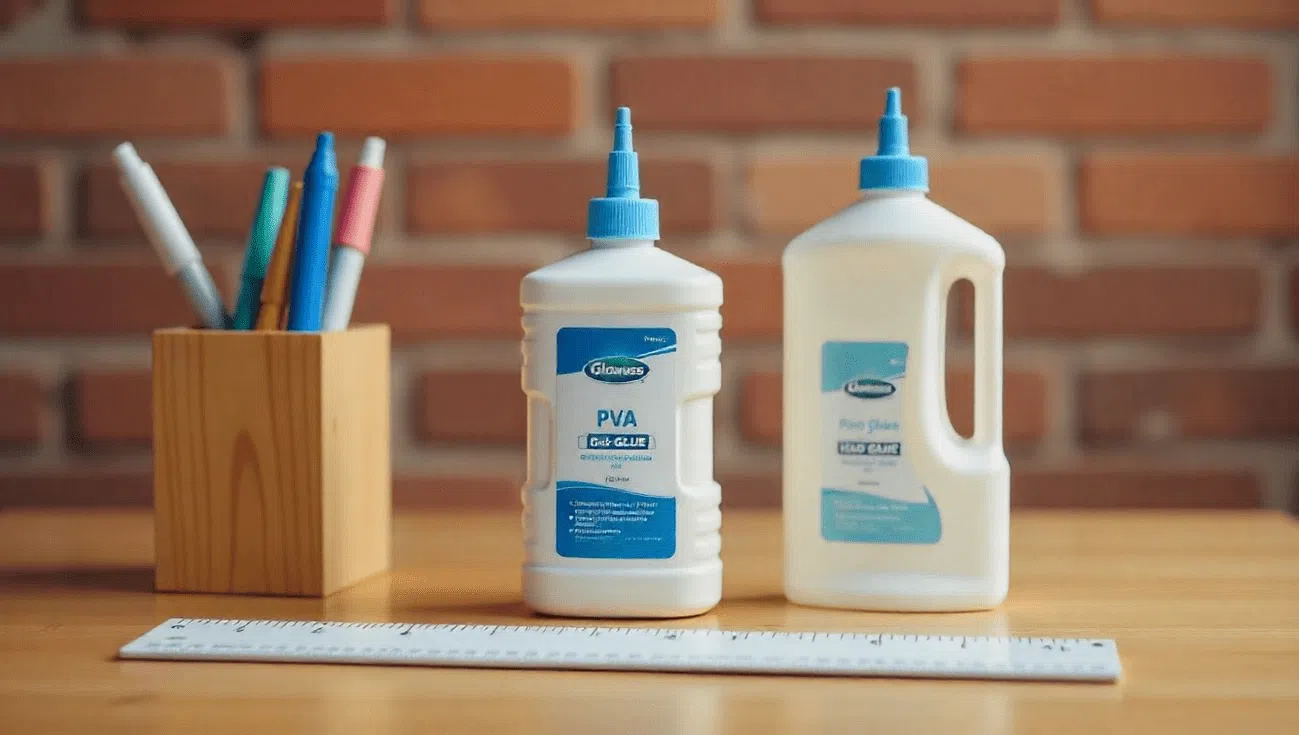
PVA glue, often known as white glue or school glue, serves as a staple for many book nook enthusiasts. It creates a strong, flexible bond on porous materials like wood and paper. When layering backgrounds or attaching cardstock decorations, pva glue offers both reliable strength and a subtle finish, since excess can be wiped away with water before it dries.
This glue’s slower drying time encourages careful placement and adjustment, making it ideal for tricky miniatures. Once cured, pva glue dries clear, minimizing visible residue and supporting seamless joins in paper walls or floors—a key advantage for those aiming for a polished look.
Best uses for wood glue in book nooks
Wood glue provides exceptional hold for structural wooden parts and frames in a book nook. When using plywood or MDF for the shell, wood glue becomes indispensable. Its thick consistency penetrates the wood grain, forming durable joints that resist loosening over time.
Because wood glue sets more slowly than hot glue, using clamps or weights helps keep everything aligned during curing. Any squeeze-out can be wiped away with a damp cloth, leaving a flawless surface once finished. Most crafters reserve wood glue for architectural sections where long-term stability matters most.
When to use tacky glue, mod podge, or yes glue?
Tacky glue resembles pva glue but boasts a thicker formula, which prevents drips and holds items in place temporarily—a huge advantage when working on vertical surfaces or textured embellishments. It performs especially well on fabric, felt, and other challenging materials that might resist lighter adhesives.
Mod podge stands out as both a glue and a sealant. Brushed on, it bonds paper, photos, and light wood while creating a smooth, protective coating. When layering images or wallpaper inside a book nook, a coat of mod podge seals the artwork and preserves vibrant colors for the long term.
For delicate paper collages requiring repositioning, yes glue provides a non-wrinkling grip and remains flexible after drying. Designers appreciate yes glue for mounting backgrounds, magazine cutouts, and scenarios demanding both secure hold and adjustability.
Specialty adhesives: super glue, epoxy glue, and hot glue
Super glue is recognized for its rapid setting and impressive strength on non-porous surfaces. It excels with metal fixtures, mirrors, or hard plastics that need a firm, quick bond. Because super glue dries almost instantly, precise placement is critical; overuse may cause fogging on shiny surfaces, so neat application is key.
Epoxy glue consists of two components mixed together for maximum adhesion. These powerful products suit heavy-duty tasks, such as securing resin figurines or joining layers involving glass, metal, or acrylic. Epoxy cures in minutes and resists moisture and impact, making it invaluable for pieces that will be handled frequently.
Hot glue offers a fast, convenient solution for larger surfaces or urgent repairs. It adheres well to wood, foam, and certain plastics. While not ideal for fine details due to bead size and stringing, hot glue shines when assembling bigger framework pieces thanks to its speed and flexibility.
- PVA glue: Porous materials like paper and thin wood
- Wood glue: Wooden structure and architectural features
- Tacky glue: Vertical surfaces or textured elements
- Mod podge: Artwork, papers, and surface sealing
- Yes glue: Collages and repositionable backgrounds
- Super glue: Quick, permanent fixing of metal or plastic parts
- Epoxy glue: High-stress joints and mixed material assemblies
- Hot glue: Framework base and temporary construction
Tips for flawless gluing in book nook projects
Applying glue with care makes as much difference as selecting the right type. Begin by dry-fitting every piece before adding adhesive, allowing adjustments without rushing. Keeping a range of applicators—like small brushes, toothpicks, or squeeze bottles—helps ensure glue lands only where intended, which is especially helpful with narrow seams and fragile accents.
Promptly cleaning up excess glue is another valuable habit. Damp cotton swabs work well for removing stray beads and preventing stains, particularly with pva glue and wood glue. Designating separate work areas for sticky, liquid, or hot glue applications keeps wires untangled and prevents accidental bonding of parts out of order.
| Glue Type | Main Material/Application | Set Time | Finish |
|---|---|---|---|
| PVA glue | Paper, thin wood | Slow | Clear/dry |
| Wood glue | Thick wood, framework | Medium/slow | Matte/clear |
| Tacky glue | Textured décor, fabric | Medium | Flexible |
| Mod podge | Decoupage/sealant | Medium | Satin/glossy |
| Super glue | Metal, plastic, instant fix | Fast | Brittle/clear |
| Epoxy glue | Mixed/heavy materials | Fast-medium | Strong/clear |
| Hot glue | Bulk assembly, temporary fixes | Very fast | Opaque/variable |
| Yes glue | Backgrounds/paper collage | Medium/adjustable | Flexible/translucent |
Common questions about book nook glue and best practices
Can the same glue be used on all book nook materials?
No single glue works for every material found in book nooks. Paper and thin wood adhere best with pva glue, while structural wooden parts benefit from wood glue. For plastics, metals, or heavier objects, super glue or epoxy glue offers the longest-lasting results. For mixed-media builds, it is wise to keep at least three different glue types on hand to address the needs of each component.
- PVA glue – paper/cardstock
- Wood glue – wooden frame/base
- Super glue – metal, plastic, quick fixes
Is hot glue suitable for delicate details?
Hot glue is best for large surfaces, such as main frameworks or foam inserts, because of its speed and holding power. However, it can overwhelm finer details, leading to messy blobs or difficulty positioning small items. For miniature books, tiny paper art, or detailed figures, pva glue, tacky glue, or yes glue offer neater control and allow repositioning before setting.
- Use hot glue for: Back panels, base frames, bulk shapes
- Skip hot glue for: Miniature books, tiny paper art, fine figurines
Why is mod podge popular in book nooks?
Mod podge is favored as both an adhesive and a protective topcoat. Many choose it for decoupaging paper or shielding painted surfaces from dust and fingerprints. Its sealed layer simplifies cleaning and prevents fading. This versatility means fewer products are needed for book nook projects that incorporate multiple media types.
- Seals backgrounds and photo prints
- Works as glue for layered effects
- Adds a glossy, matte, or satin finish depending on formula
| Purpose | Application |
|---|---|
| Sealant | Protects color & details |
| Adhesive | Joins paper, thin wood |
Are specialty glues like b7000 or beacon 3 in 1 ever needed?
Specialty adhesives such as b7000 or beacon 3 in 1 provide industrial-strength bonding for tough combinations like plastic, metal, or glass. B7000 offers clarity, extra flexibility, and resistance to chemicals, while Beacon 3 in 1 delivers fast-tack performance and compatibility with various craft textiles. Though not required for every build, these adhesives become useful for ambitious projects or when standard glues do not bond specific synthetics effectively.