
For those eager to master the Spanish language, choosing the right books can make all the difference. Whether readers are looking for spanish books for beginners or seeking advanced reading material, many options cater to different learning goals. The right title accelerates vocabulary acquisition and builds confidence in comprehension and communication.
The world of Spanish literature offers everything from engaging spanish short stories to comprehensive grammar guides. Learners gain most by mixing methods, such as reading novels, studying textbooks, or choosing spanish books for kids, which help to become comfortable with different styles and cultural contexts. With well-chosen spanish learning resources, progress becomes more noticeable and sustainable.
Choosing the right Spanish book for each proficiency level
Every learner follows a unique path, and materials designed for specific stages give better results. Selecting resources that match current ability and long-term goals builds a strong foundation and creates a reliable study routine.
From simple storybooks to complex narratives, the right match motivates continued learning and reveals new aspects of language in context. Choosing books that balance challenge and clarity keeps momentum steady.
Which Spanish books for beginners work best?
Beginner learners often feel overwhelmed by dense texts or rapid dialogue. Starting with spanish practice books and graded readers makes the process approachable. These resources introduce core vocabulary, basic sentence patterns, and common expressions through engaging stories.
Typical beginner-friendly choices include simplified adaptations of familiar tales, illustrated readers, and short graded texts. Many of these editions provide spanish stories with vocabulary support and end-of-chapter exercises.
Essential books for intermediate learners
Once the basics are in place, it helps to raise the level with materials that challenge while remaining accessible. Books for intermediate learners present more tenses, idioms, and richer storytelling without becoming discouraging.
At this stage, readers benefit from modern short novels, themed anthologies, and books for intermediate learners that include glossaries or comprehension questions. These selections bridge the gap toward authentic spanish novels.
The variety of Spanish books available: genres and types
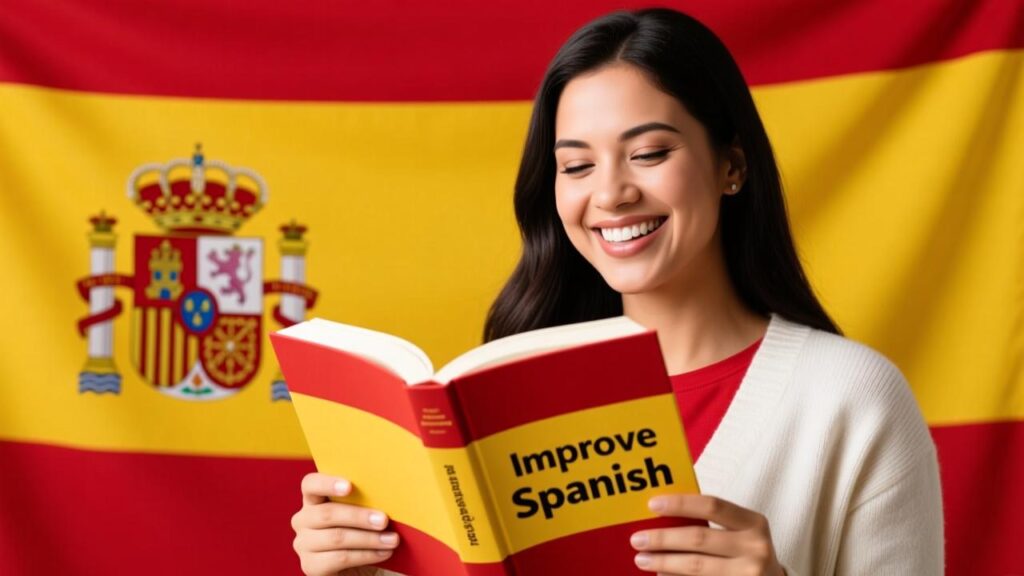
Exploring different genres exposes learners to diverse vocabulary and regional customs. Each genre delivers its own expressions, topics, and cultural insights, which enrich language skills and general knowledge about Spanish-speaking countries.
Rotating between story types and formats prevents boredom and ensures well-rounded progress. Combining entertainment with study keeps motivation high and supports steady improvement.
Must-read Spanish books and classic novels
Reading must-read Spanish books introduces learners to key voices in Hispanic literature. Classics such as Don Quijote de la Mancha suit advanced students, while abridged versions work well for less proficient readers and provide important historical context.
Contemporary spanish novels, especially those aimed at young adults, reveal modern colloquialisms and themes. These works serve as gateways to more sophisticated literature, gradually increasing comfort with longer texts.
Short stories and anthologies for efficient learning
Shorter texts like spanish short stories offer manageable sections ideal for daily practice. Anthologies combine multiple authors or themes, giving fresh perspectives with every selection and building reading stamina.
Many collections include notes, glossaries, or chapter summaries, making them popular spanish learning resources for busy learners. Exposure to varied voices highlights regional accents, cultural differences, and slang.
Supplementing reading with supportive learning resources
Books alone rarely suffice for full language mastery. Adding supplementary tools alongside regular reading creates a multilayered approach suited to anyone aiming for conversational fluency. Audio, targeted vocabulary lists, and practice workbooks complement reading well.
Pairing print materials with digital supports, such as audio recordings or online dictionaries, enhances engagement and allows for repetition when needed. Discussion groups and language partners encourage active use of new material.
- Graded readers with built-in activities keep retention high.
- Spanish practice books help grammar rules to stick.
- Anthologies with comprehension questions encourage critical thinking.
- Interactive e-books can provide instant translations and pronunciation tips.
Tables and comparisons: sample Spanish books for every level
Comparing featured titles side by side helps to select the best fit for current ability and interests. The table below summarizes ideal choices for each stage.
| Proficiency level | Recommended book type | Key features |
|---|---|---|
| Beginner | Children’s stories, graded readers | Simple language, illustrations, vocabulary support |
| Intermediate | Modern short stories, teen novels | Appealing plotlines, glossary, controlled difficulty |
| Advanced | Classic novels, poetry collections | Authentic texts, rich idioms, deeper themes |
Evaluating the strengths of each type before starting makes transitions between levels smoother. Using multiple formats and lengths maintains enthusiasm and reduces fatigue.
Common questions about reading Spanish books for language learning
The following frequently asked questions highlight practical tips on choosing and using Spanish books effectively. Answers focus on approachable steps and useful combinations of resources.
Short, actionable guidance helps learners of all levels to create a reading routine that supports steady improvement and active usage of new vocabulary.
How should beginners start reading in Spanish?
For absolute beginners, beginning with spanish books for kids or graded readers works best. These resources present simple sentences, repetitive structures, and essential vocabulary in a format that builds confidence.
- Choose illustrated stories that reinforce meaning visually.
- Opt for series with progressive challenges that increase in difficulty step by step.
Practicing aloud and using audiobooks alongside the text improves pronunciation and listening skills simultaneously.
Are Spanish short stories effective learning tools?
Absolutely. Spanish short stories provide manageable segments ideal for daily practice. Each story usually concludes quickly, allowing for focused repetition and frequent feelings of accomplishment.
- A variety of plots increases interest and expands vocabulary.
- Some editions include footnotes or word lists for easier comprehension.
| Benefit | Details |
|---|---|
| Length | Quick to read, fits busy schedules |
| Difficulty | Available at multiple proficiency levels |
What types of Spanish readers suit intermediate learners?
Intermediate learners benefit from stories that feature contemporary themes, natural dialogues, and idiomatic expressions. Spanish readers at this stage often include glossaries and side-by-side translations for unfamiliar words.
- Look for readers with comprehension questions after each chapter.
- Choose books grouped by theme or region for cultural variety.
Reading aloud and listening to audio versions helps to build fluency while tackling more complex texts.
How can learners retain new vocabulary from reading?
To retain new words, regularly review highlighted terms, create personal flashcards, and use new expressions in writing or speech. Many spanish practice books include vocabulary reviews to help solidify memory.
- Keep a vocabulary journal with example sentences drawn from readings.
- Join language exchange groups or online forums to use new phrases in context.
Consistent revision and active usage improve recall far more than passive reading alone.