
Readers searching for guidance on self-improvement often encounter the book “Ikigai,” which draws on Japanese philosophy about living a long and healthy life. The book promises practical advice, calming reflections, and an uplifting path to discovering what makes life meaningful. This review examines whether the book delivers simplicity, inspiration, and useful insight into living with purpose.
Understanding the essence of Ikigai
“Ikigai” presents a simple idea: meaning emerges when daily actions and long-term ambitions align with deep personal satisfaction. The concept, rooted in Japan, promotes harmony, well-being, and longevity while balancing personal fulfillment and social contribution. Many readers report a greater sense of calm and motivation after exploring these themes.
The book shows how Japanese culture weaves ikigai into everyday routines, emphasizing small joys, strong relationships, and meaningful work. Rather than pushing for dramatic change, the approach encourages subtle habit shifts and a gentle mindset change that supports gradual life improvement.
What makes the Ikigai book valuable?
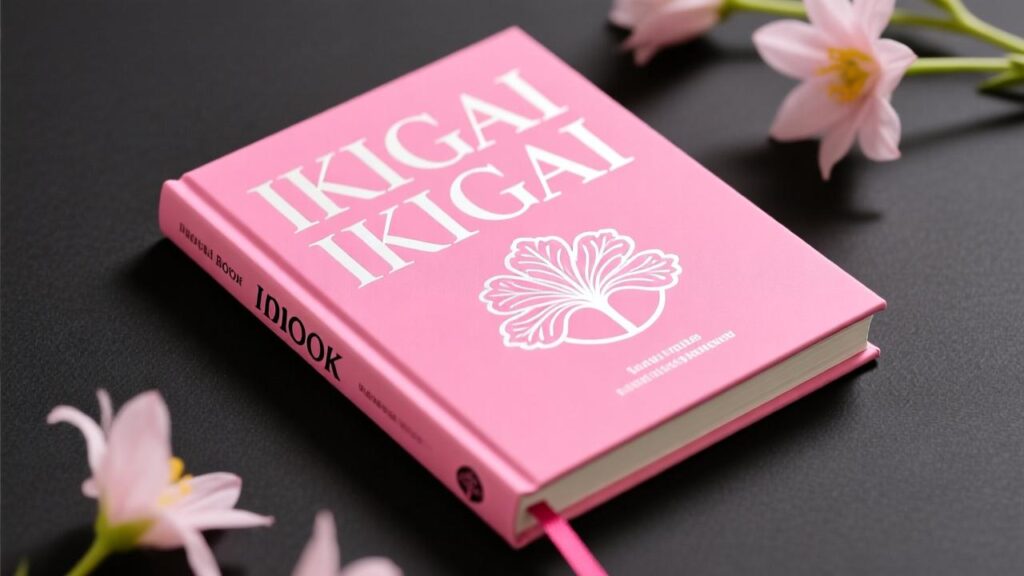
The title gained global attention because it pairs easy-to-read prose with thoughtful reflections. Evaluating whether it is worth reading requires looking at the clear benefits the book offers to curious readers.
The text moves beyond theory by offering concrete steps, motivational stories, and calming examples drawn from long-lived communities in Okinawa and elsewhere in Japan. These elements help translate ideas into everyday practice.
Accessible writing style and structure
A key strength is the clear presentation of complex ideas, free from jargon or dense academic language. The writing feels approachable for readers new to Japanese lifestyle concepts and for those already exploring life’s purpose.
A focused table of contents groups themes like happiness, flow, and longevity, which makes it easy to revisit relevant sections. The straightforward, uplifting format tends to appeal to both newcomers and seasoned seekers.
Actionable insights and practical advice
The book offers many small, practical steps for real-world application, including suggestions for nurturing social ties, adopting mindful habits, and rethinking daily schedules to align with personal passions. These tips emphasize steady progress rather than sudden overhaul.
Exercises and reflection prompts encourage readers to set manageable goals and build momentum. By turning philosophical ideas into tangible habits, the material supports a sustainable path to greater fulfillment.
Does Ikigai inspire meaningful self-improvement?
What sets this book apart in the crowded self-help field are its twin themes of longevity and simplicity, illustrated through personal stories and shared wisdom. The tone and anecdotes often create a calming, motivating effect.
Emphasis on incremental change resonates with those who prefer to fold new habits into daily routines. Grounding big ideals in small actions makes lasting change seem attainable.
Connection with Japanese lifestyle practices
The book respects traditional Japanese philosophies and explains how local customs support mental clarity and physical wellness. Practices like community involvement, consistent routines, and gratitude align with many modern goals for balance.
Readers curious about why certain Japanese communities display notable vitality and happiness will find actionable ideas to test beyond cultural boundaries. These practices serve as practical tools for life improvement.
Discovering life’s purpose and staying motivated
A central promise of the book is helping readers clarify personal purpose, extending beyond career or hobbies to the deeper sources of day-to-day joy. Prompts and stories guide reflection and help identify what matters most.
The gentle structure and encouraging suggestions make it possible to change habits without pressure. Progress tends to emerge from consistent small efforts and honest inquiry.
Where does the book fall short?
No book is perfect, and some critics point to limited depth in research and some repetition across chapters. Readers familiar with related philosophies may find fewer novel insights, since much of the content relies on anecdotes rather than heavy scientific data.
Those seeking extensive academic backing or tightly structured evidence may want to supplement the reading with resources focused on behavioral science or psychobiology.
Key takeaways from reading Ikigai
After weighing strengths and limits, it is clear why many choose this book for their self-improvement journeys. Core values such as motivation, simplicity, and discovering life’s purpose form a practical roadmap for gentle experimentation with routines and outlook.
Whether the goal is clearer direction, an uplifting perspective, or a calming interlude during a busy week, Ikigai offers accessible wisdom that often proves both supportive and enduringly valuable.
- Simplicity and accessibility appeal to newcomers and long-time enthusiasts alike.
- The content nudges readers toward positive change through motivational stories and practical steps.
- Japanese lifestyle traditions contribute to longevity and daily wellness.
- The blend of philosophy and action leaves room for personalization.
Common questions about the Ikigai book answered
This short FAQ addresses frequent reader concerns and highlights the most useful takeaways for those considering the book.
Is the Ikigai book easy to read for beginners?
Yes, the book uses clear language and simple explanations that make chapters accessible and relatable for beginners interested in self-improvement. Short stories and structured tips keep the message direct and uplifting.
The format supports gradual learning, and the concise chapters help readers return to specific topics without feeling overwhelmed.
- Simple definitions and examples throughout the book
- Short, focused chapters for easier comprehension
What are the main benefits of reading the Ikigai book?
Readers gain knowledge about Japanese lifestyle principles and practical advice for long-term well-being. The book inspires motivation and a deeper connection to daily purpose through a soothing narrative.
These benefits make the book a useful starting point for those seeking calm, practical guidance rather than dense theory.
- Introduces Japanese lifestyle principles linked to longevity
- Boosts motivation through real-life examples
- Supports self-improvement using easy-to-implement strategies
| Benefit | Description |
|---|---|
| Inspiration | Real stories provide uplifting, calming effect |
| Simplicity | Easy to read, no prior knowledge required |
| Longevity | Focuses on habits that support a long and healthy life |
Does the Ikigai book offer practical steps or only theory?
The book contains many practical steps alongside conceptual ideas, including exercises, reflection prompts, and actionable advice to help integrate teachings into daily life. These suggestions emphasize small, manageable changes.
Practical elements such as worksheets and tips make it possible to experiment and adapt practices without major disruption.
- Goal-setting worksheets
- Suggestions for strengthening social connections
- Tips on mindful eating and developing healthier routines
Who would find the Ikigai book most valuable?
The book suits anyone interested in life improvement, from readers seeking renewed motivation to those curious about longevity and purpose. People drawn to Japanese philosophy or calming, uplifting content will likely benefit most.
Practical readers who prefer concrete steps over abstract theory will find the structure particularly helpful.
- Newcomers to mindfulness and self-development
- People curious about Japanese lifestyle secrets
- Readers desiring practical advice instead of abstract theory